Exploring FFC and FPC Connector Types: A Complete Guide
This guide will help you know all about FFC and FPC connectors, including their types, uses and main differences. It can help you make right choices for your project.
What are FFC Connectors?
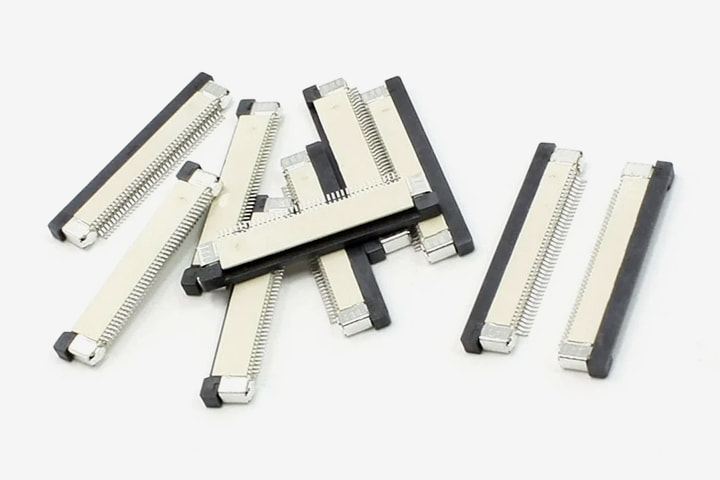
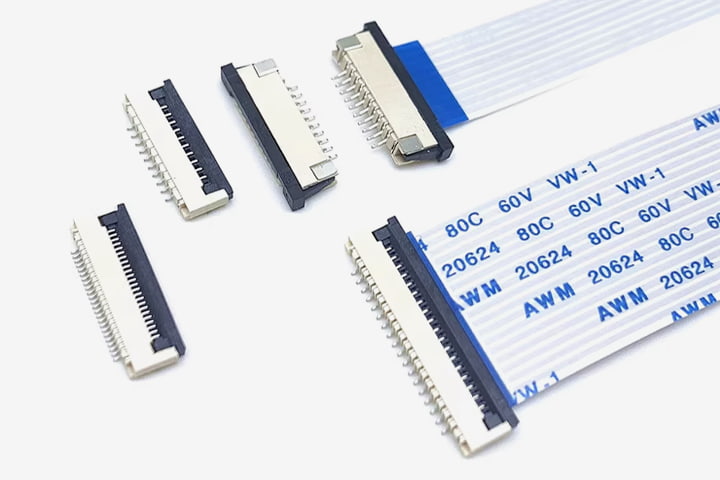
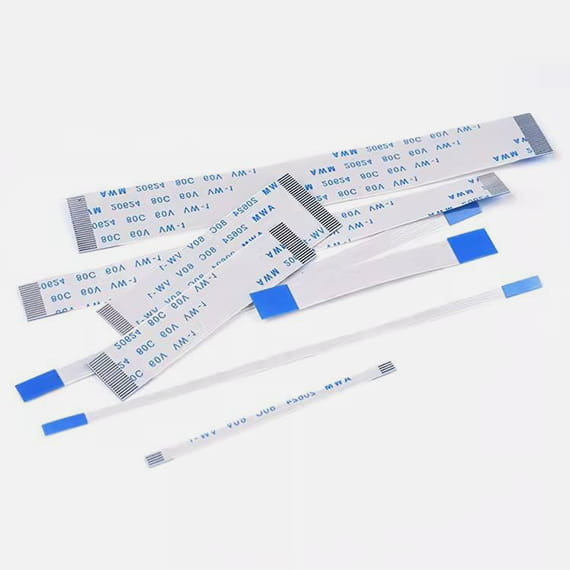
FFC connectors are a kind of electrical connector that used with flexible flat cables. These cables have flat, flexible plastic films, with many metal conductors placed side by side. They provide a small and flexible way to connect different electronic parts. FFC connectors are usually thin, light and easy to install, so they are perfect for applications where space and weight are very important.
The design of FFC connectors allows high-density connections in small electronic devices. They are often used in situations where rigid PCBs are not suitable because of size or flexibility problems. Common uses include connecting LCD displays to control boards in laptops, mobile phones and other portable electronics. These connectors have different pitches (the distance between each conductor), which make them fit for many different applications.
One main advantage of FFC connectors is their versatility. They can be used in many electronic products, from consumer electronics to industrial machines. FFC connectors can handle different electrical signals, such as power, signal and ground connections, all in one flat cable. This versatility, together with their space-saving design, make FFC connectors an important part in modern electronics.
What are FPC Connectors?

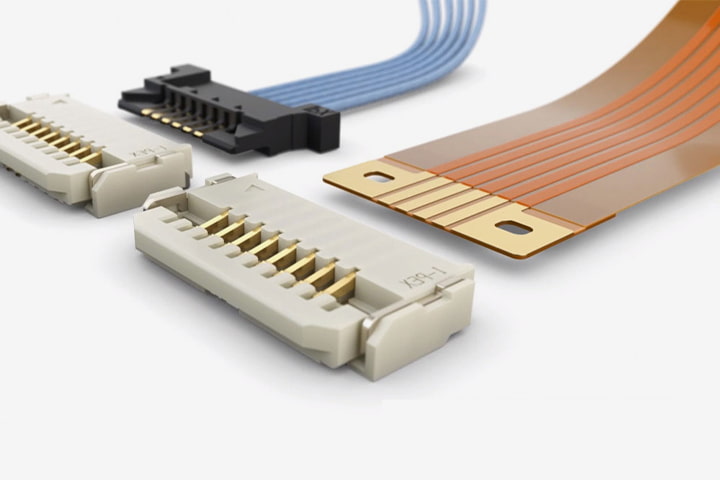
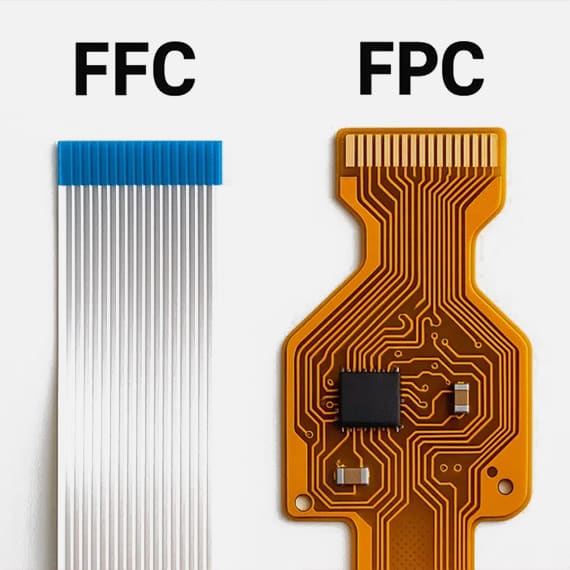
FPC connectors are another type of electrical connector used with flexible printed circuits. Different from FFCs (which have flat cables with parallel conductors), FPCs are made of a thin insulating polymer layer, with conductive traces etched or printed on its surface. This allow FPCs to have more design flexibility, and they can bend and twist without breaking.
FPC connectors are usually used in applications where space is limited and flexibility is very important. They are common in devices like smartphones, tablets and other handheld electronics, as well as automotive and medical applications. These connectors are designed to provide stable connections in environments where traditional rigid connectors will fail because of stress or movement.
FPC connectors can be highly customized. The conductive traces can be arranged in complex patterns to meet specific design needs, and the insulating polymer can be shaped to fit special sizes. This make FPCs a good choice for applications where standard connectors are too big or rigid. In addition, FPC connectors often have features like locking mechanisms and high-temperature resistance, which ensure secure and reliable connections in harsh environments.
Key Differences Between FFC and FPC Connectors
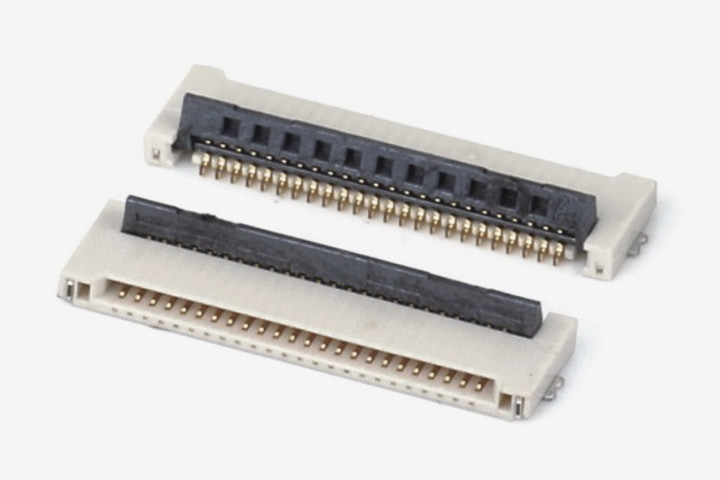
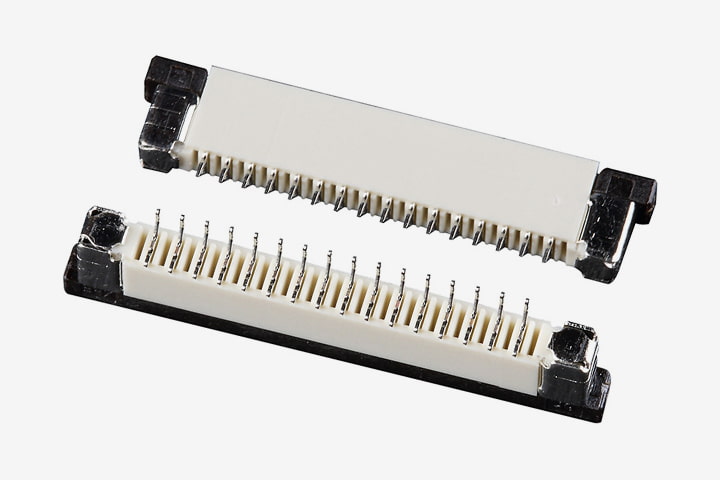
Although FFC and FPC connectors look similar at first, they have many key differences that make them suitable for different applications. One main difference is the cable construction. FFCs use flat, flexible plastic films with parallel metal conductors, while FPCs use a thin insulating polymer with conductive traces etched or printed on the surface. This difference make FPCs have more design flexibility and can create more complex circuit layouts.
Another important difference is their mechanical properties. FFCs are generally more strong, and can handle higher current and voltage because of their thicker conductors. In contrast, FPCs are more flexible and can bend and twist without breaking, which make them ideal for applications that need movement and flexibility. So FPCs are more suitable for portable and wearable devices, where space and weight are critical factors.
The connectors themselves also differ in design and function. FFC connectors are usually simpler and easier to install, with a simple plug-and-play design. FPC connectors, however, often have extra features like locking mechanisms, high-temperature resistance, and can support more complex circuit layouts. This make FPC connectors more versatile and better for high-performance applications where reliability and precision are important.
Applications of FFC and FPC Connectors
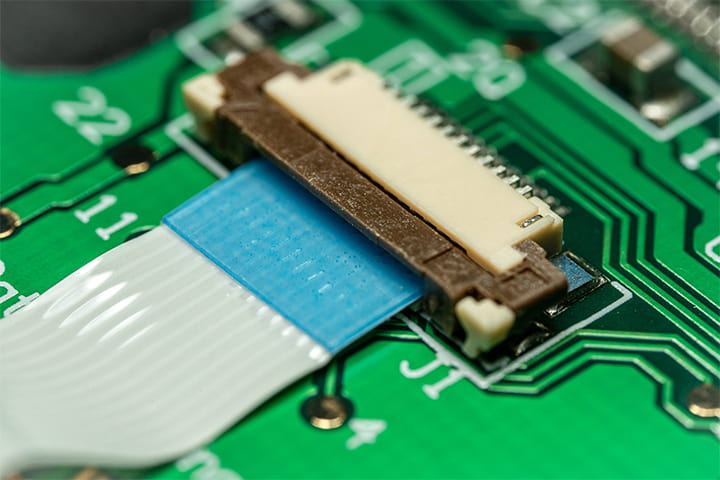
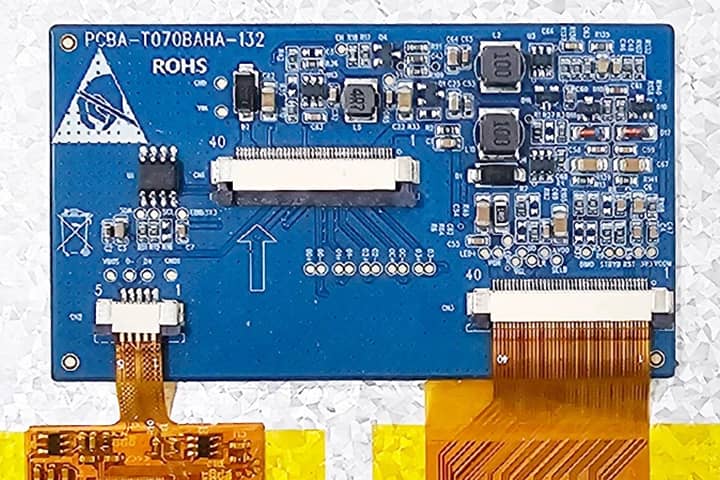
FFC and FPC connectors are used in many applications across different industries, because of their flexibility, small size and reliability. In consumer electronics, these connectors are commonly used in smartphones, tablets, laptops and cameras. They provide stable connections between parts like LCD displays, touchscreens and control boards, which help make sleek, small and light devices.
In the automotive industry, FFC and FPC connectors are used in various systems, including infotainment systems, instrument panels and advanced driver-assistance systems (ADAS). Their ability to handle high temperatures and flexibility make them ideal for the small spaces and harsh environments of modern cars. They ensure stable connections between electronic parts, improving the overall performance and safety of the vehicle.
Medical devices also benefit from FFC and FPC connectors. In applications like portable medical monitors, diagnostic equipment and wearable health devices, these connectors provide stable connections in small and light designs. Their flexibility allow the creation of devices that can be comfortably worn or carried by patients, improving user experience and enabling more accurate monitoring and diagnostics.
Advantages of Using FFC and FPC Connectors
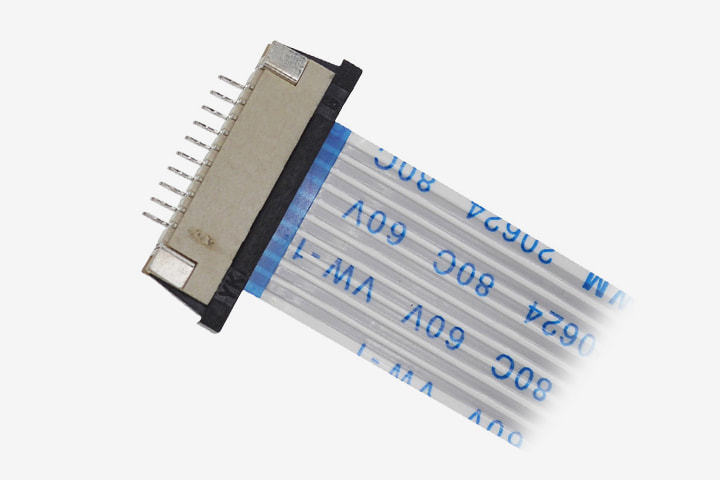
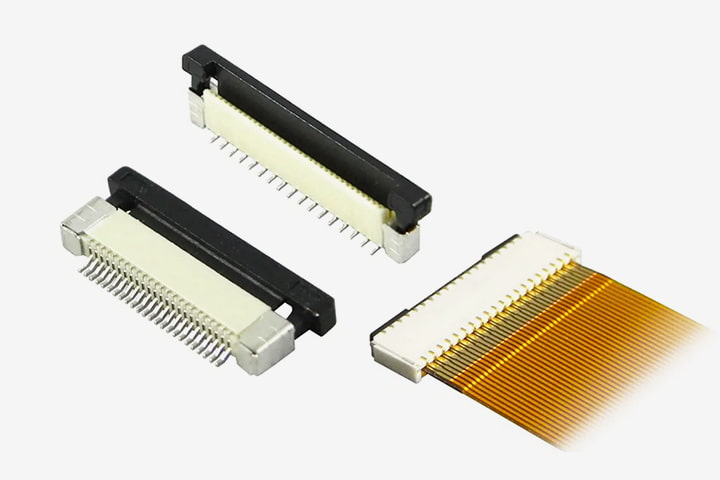
There are many advantages to use FFC and FPC connectors in electronic devices. One main benefit is their small size and light weight. This make them ideal for modern electronic devices, where space and weight are often critical. The flat and flexible feature of these connectors allow the creation of sleek, small and light devices that are both beautiful and useful.
Another advantage is their versatility. They can be used in a wide range of applications, from consumer electronics to automotive and medical devices. These connectors can handle different electrical signals, including power, signal and ground connections, all in one flat cable. This versatility make FFC and FPC connectors an essential part in many modern electronic devices.
The reliability and durability of FFC and FPC connectors are also important advantages. These connectors are designed to provide stable connections in harsh environments, including high temperatures and mechanical stress. FPC connectors, in particular, are known for their ability to bend and twist without breaking, making them ideal for portable and wearable devices. Features like locking mechanisms and high-temperature resistance further improve the reliability and durability of these connectors.
How to Choose the Right Connector for Your Project
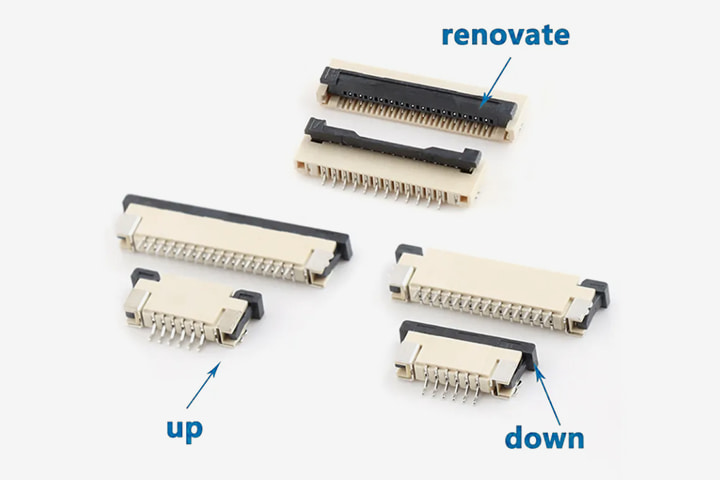
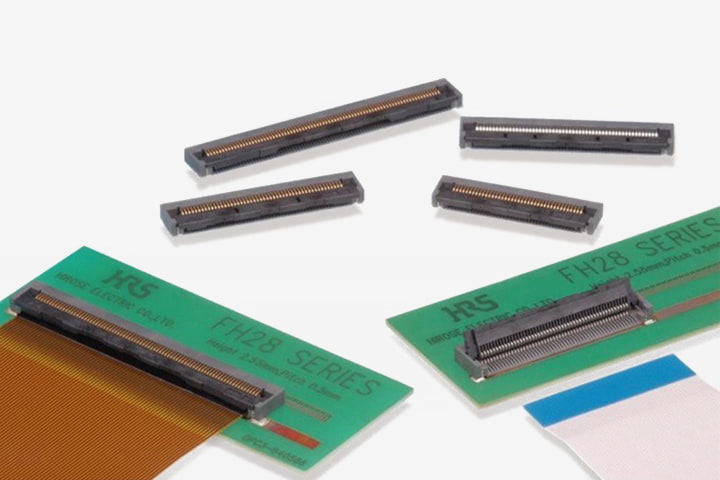
Choosing the right connector for your project is very important to ensure stable and efficient performance. There are several factors you should consider when selecting FFC or FPC connectors. First, you need to consider the pitch of the connector, which is the distance between each conductor. The pitch should match the cable’s specifications and your application’s needs to ensure a secure and stable connection.
Another important factor is the current and voltage requirements of your application. FFC connectors are generally more strong and can handle higher current and voltage, making them suitable for power-intensive applications. FPC connectors, on the other hand, are more flexible and better for applications that need movement and flexibility. Understanding your project’s electrical requirements will help you choose the right connector type.
You should also consider the environmental conditions where the connector will be used. Factors like temperature, humidity and mechanical stress can affect the connector’s performance and reliability. FPC connectors often have features like high-temperature resistance and locking mechanisms, making them suitable for harsh environments. Choosing a connector that can withstand your application’s specific conditions will ensure long-term reliability and performance.
Installation Tips for FFC and FPC Connectors
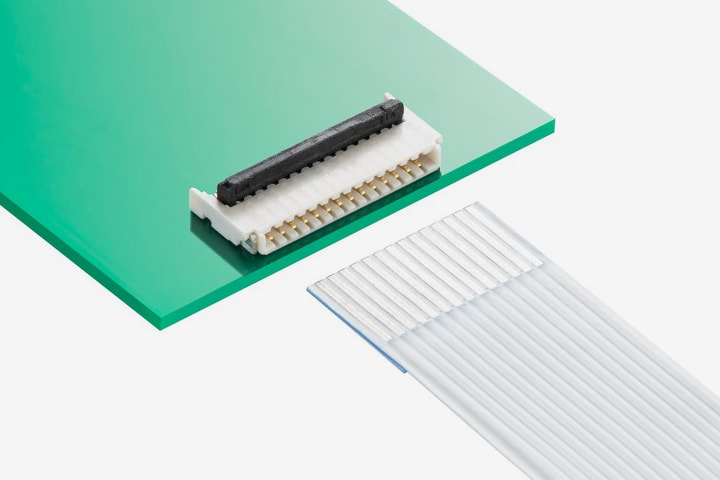
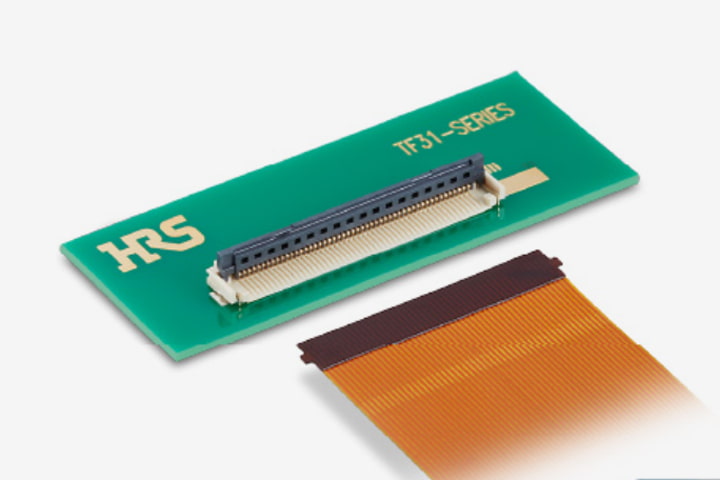
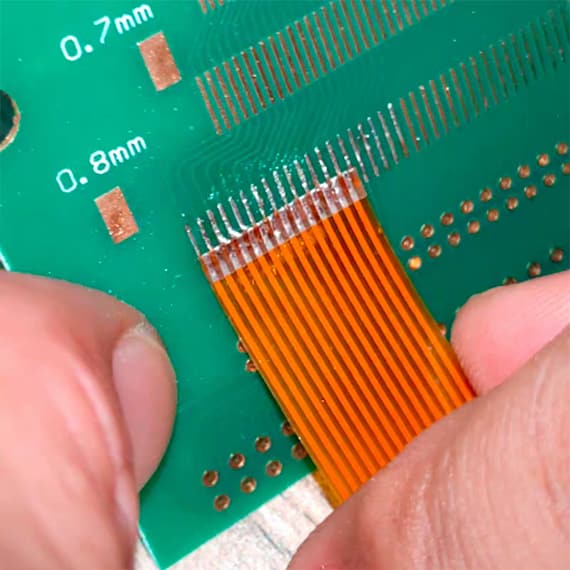
Proper installation of FFC and FPC connectors is essential to ensure stable performance and long service life. The first step in installation is to carefully align the connector with the corresponding socket or header. This ensures that the conductors make good contact and the connection is secure. Using alignment guides or marks on the connector and socket can help you align them accurately.
Once the connector is aligned, insert it gently into the socket or header. Applying too much force can damage the conductors or the connector itself, leading to poor performance or failure. It is important to follow the manufacturer’s guidelines for insertion force and angle to avoid damaging the connector. Some connectors have locking mechanisms that can be locked to make the connection more secure.
After inserting the connector, check the connection for good contact and alignment. Any misalignment or poor contact can cause signal loss or unstable performance. Using a multimeter or other testing equipment can help verify the connection’s quality. In addition, securing the cable and connector with proper strain relief can prevent mechanical stress and damage during use.
Common Issues and Troubleshooting
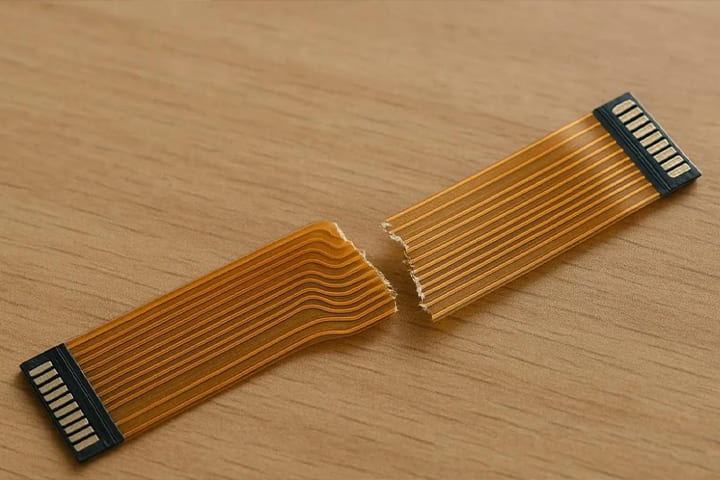
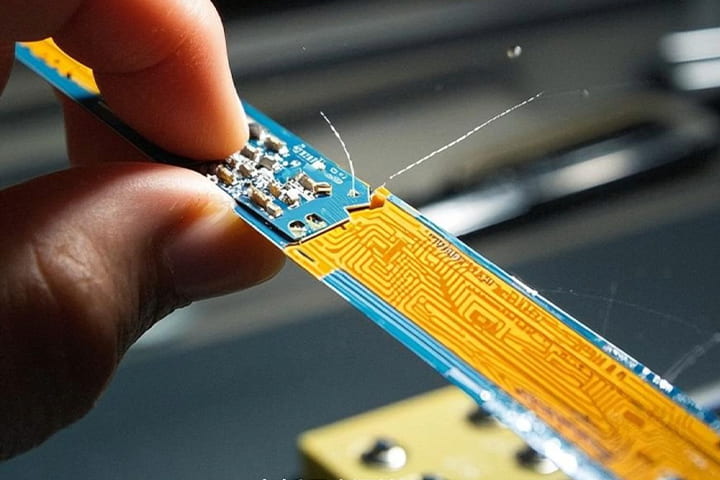
Although FFC and FPC connectors are reliable, they sometimes have issues that affect their performance. One common issue is poor contact between the conductors and the connector, which can be caused by misalignment or improper insertion. Ensuring proper alignment and following the manufacturer’s insertion guidelines can help prevent this problem. If poor contact still exists, cleaning the conductors and connector with a suitable contact cleaner can improve performance.
Another common issue is mechanical damage to the connectors or cables. This can happen if you use too much force during installation, bend the cable beyond its limit, or expose it to harsh environmental conditions. Inspecting the connectors and cables for damage and replacing any damaged parts can restore stable performance. Using proper strain relief and protecting the connectors and cables from mechanical stress can prevent future damage.
Signal interference is another issue that can affect FFC and FPC connectors. This can be caused by electromagnetic interference (EMI) or crosstalk between adjacent conductors. Using shielded cables and connectors, as well as proper grounding methods, can reduce signal interference and improve performance. Ensuring proper separation between adjacent conductors and minimizing the length of exposed conductors can also reduce crosstalk and interference.
Conclusion and Future Trends in Connector Technology
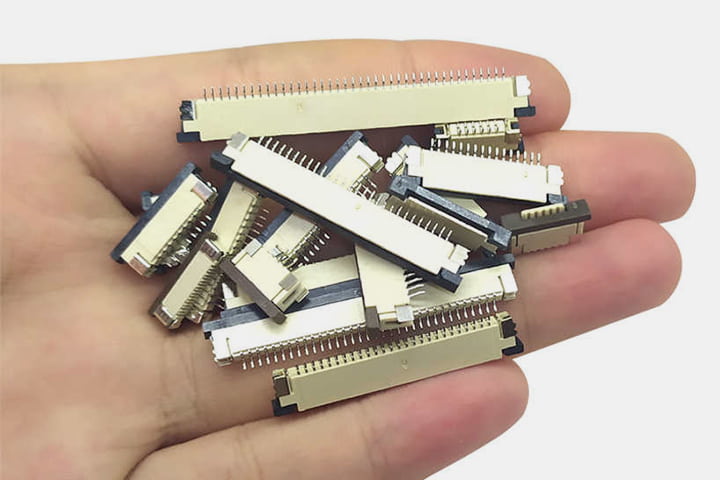

In conclusion, FFC and FPC connectors are essential parts in modern electronic devices, offering flexibility, small size and stable performance. Understanding the differences between FFC and FPC connectors, their applications and advantages can help you choose the right connector for your project. Proper installation and troubleshooting methods can further improve the reliability and performance of these connectors.
As technology develops, connector technology also keeps advancing. Future trends in connector technology include smaller and more flexible connectors that can handle higher data rates and power levels. Progress in materials and manufacturing techniques also lead to connectors with better durability and reliability, making them suitable for more harsh applications.
The growing demand for portable and wearable devices drives the need for connectors that can provide stable connections in small and light designs. FFC and FPC connectors are well-suited to meet this demand, thanks to their flexibility, versatility and performance. As electronic devices continue to evolve, FFC and FPC connectors will remain a critical part in ensuring stable and efficient performance.