FFC vs FPC: Key Differences and Which One You Need
When choosing between FFC and FPC cables, it is very important to understand their key differences. This article will help you know which one is more suitable for your actual needs.
What is FFC (Flexible Flat Cable)?
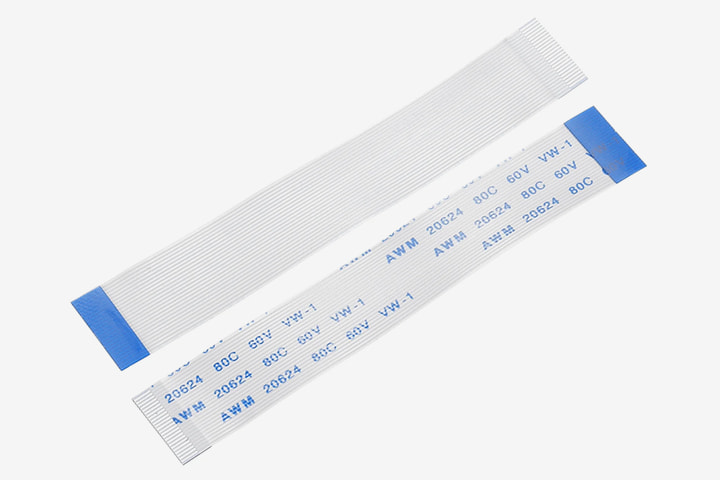
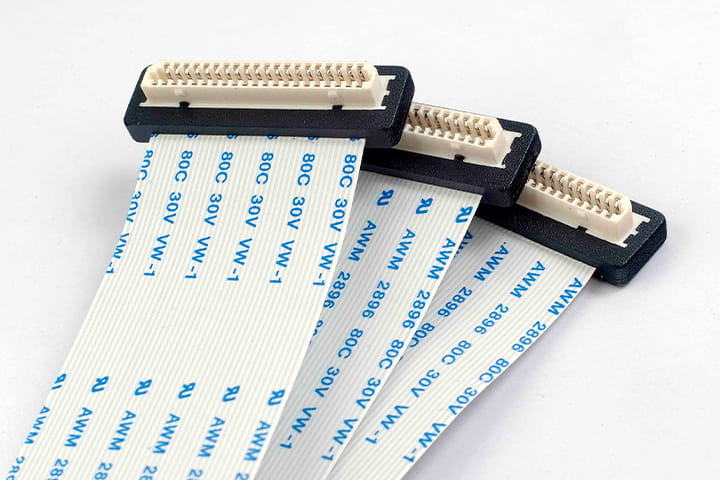
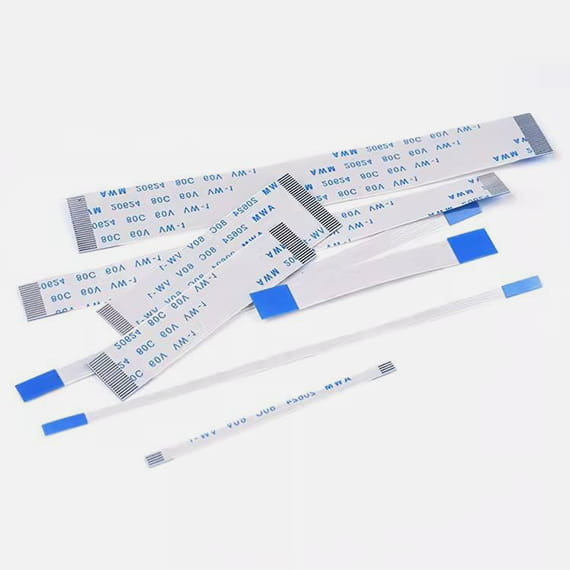
Flexible Flat Cable, or FFC, is a kind of electrical cable that is flat and flexible. Its main structure usually includes many flat conductors placed in parallel. These conductors are mostly made of copper, and they are insulated by soft plastic materials like polyester. Because of its flat shape, FFC is very useful in many electronic products where space is limited and flexibility is needed.
One of the biggest advantages of FFC is that it can bend many times without breaking. This makes it very suitable for devices that need frequent movement or must pass through narrow spaces. The thin and flat conductors are not easy to fatigue like traditional round wires. At the same time, the parallel structure of FFC allows more conductors to be placed in the same space, which is very helpful when the installation space is very tight.
FFC cables are widely used in many electronic devices, such as laptops, printers, cameras and flat-screen TVs. They can provide stable connections in small and moving environments, so they are very popular in consumer electronics. In addition, FFC is easy to install, and its length and conductor number can be customized easily, which makes it fit many different applications.
What is FPC (Flexible Printed Circuit)?
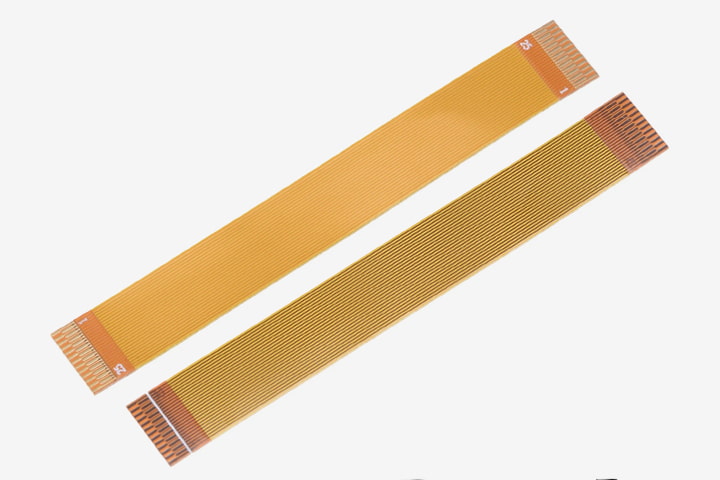
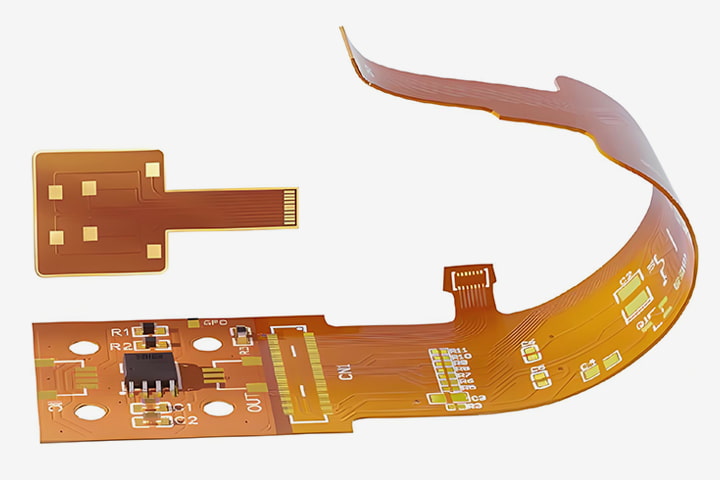
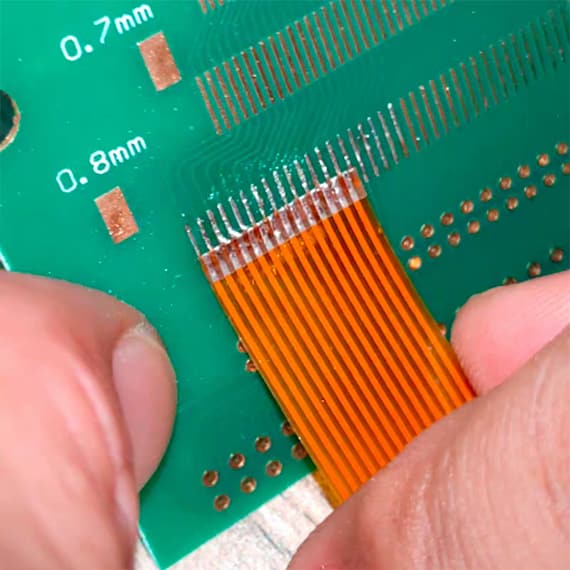
Flexible Printed Circuit, or FPC, is a kind of flexible circuit board with thin shape. Different from traditional rigid circuit boards, FPC is made by printing conductive materials such as copper on a flexible substrate, which is usually polyimide or polyester. This special structure allows FPC to bend, fold and twist many times without damaging the internal circuit, so it is very suitable for places with limited space and high flexibility requirements.
FPC has many advantages over rigid circuit boards. It is light and thin, and can be made into complex three-dimensional shapes. This helps electronic devices become smaller and more portable. Also, because FPC can resist repeated bending, it is not easy to have mechanical failures, so it works well in dynamic working environments.
Another important advantage of FPC is that it can integrate many components and functions into one single unit. This can reduce assembly time and cost, and also improve the reliability and performance of the whole product. FPC is widely used in smartphones, wearable devices, medical equipment and automotive electronics. Its strong flexibility makes it popular in many high-tech industries.
Key Differences Between FFC and FPC

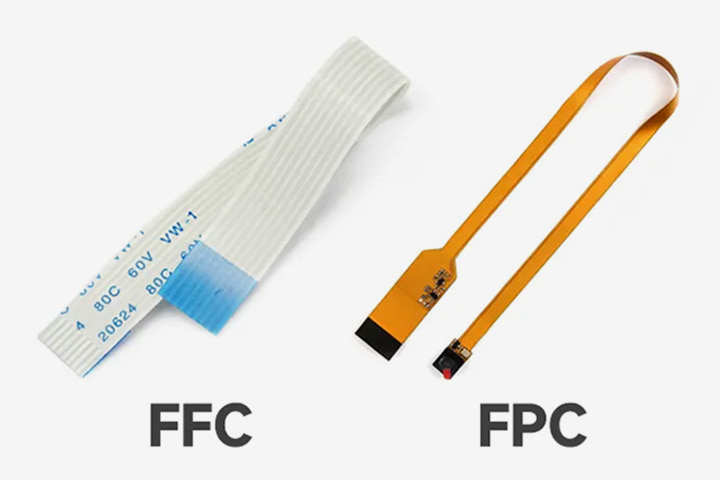
Although both FFC and FPC can provide flexible connection solutions, they have many important differences that affect their application scenes. One main difference is their structure. FFC is made of many parallel flat conductors, while FPC is a complete circuit printed on a flexible base material. This difference directly influences their performance and usage scenarios.
They are also different in customization ability. FFC is relatively simple to produce, and we can easily change its length, width and conductor number. It is very suitable for applications that only need simple cable connections. However, FPC has higher design freedom. We can make complex shapes and integrate many parts together, so FPC is better for projects that need high space utilization and component integration.
Cost and production time are different as well. FFC is cheaper and faster to produce than FPC, so it is a cost-effective choice for many common projects. But FPC has more complex functions and better overall performance, so its higher cost is acceptable in some high-end situations. Which one you choose depends on your project requirements, including space, flexibility, cost and performance.
Advantages of Using FFC
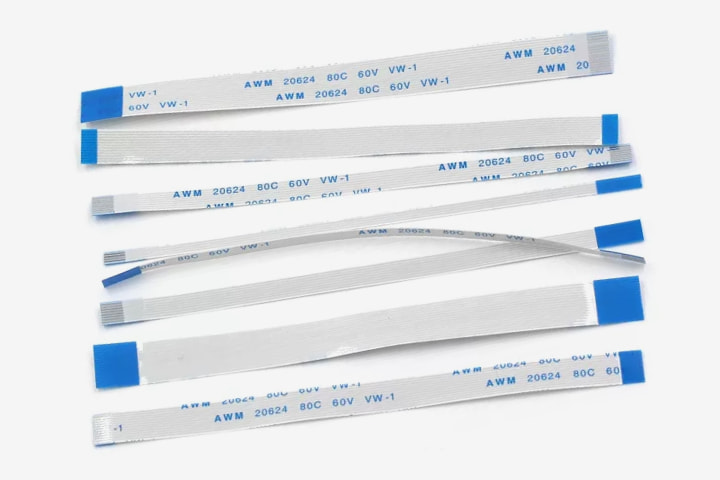
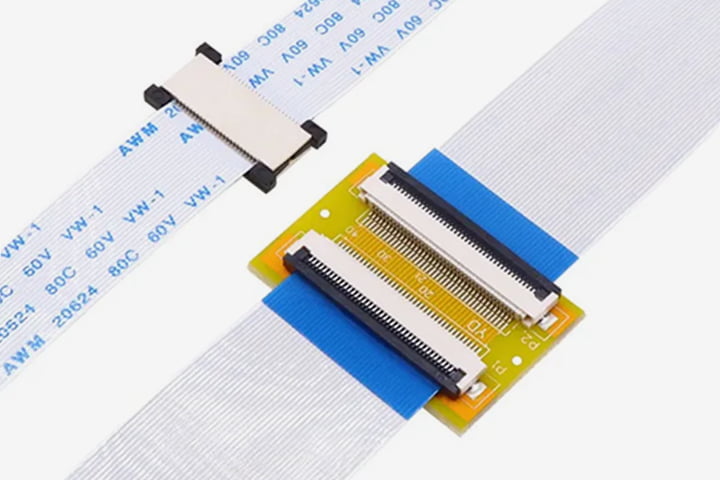
The most obvious advantage of FFC is its good flexibility. The flat and ribbon shape allows it to bend freely without breaking, which is perfect for parts that move frequently or are installed in tight spaces. This flexibility also reduces the risk of mechanical damage and makes the connection more durable.
Another advantage is that FFC is easy to customize. We can adjust its length, width and the number of conductors according to actual needs. This makes FFC very versatile in consumer electronics and industrial equipment. Meanwhile, the flat structure allows high conductor density in limited space, which is very important for slim modern devices.
Cost-effectiveness is also a key advantage. Since FFC has a simple structure, its production cost is lower than FPC. With stable performance and low price, FFC is very attractive for many general applications. It is also easy to install and can be produced quickly in large quantities.
Advantages of Using FPC
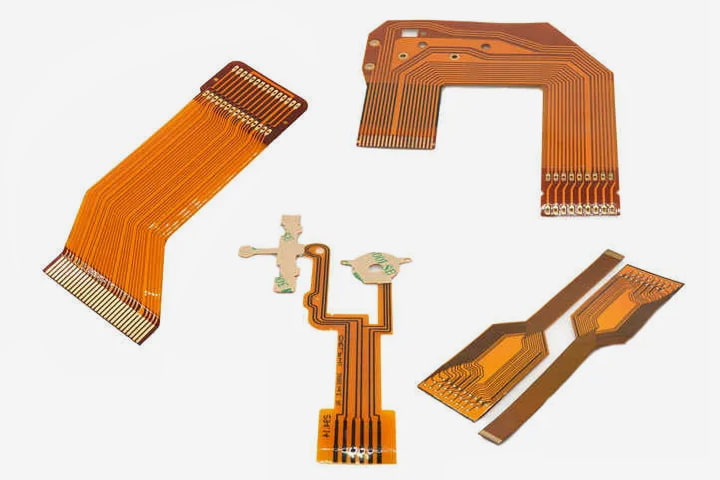
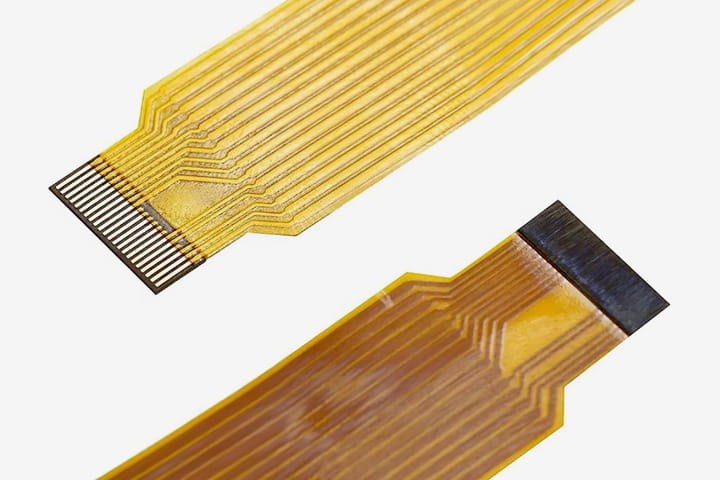
The biggest advantage of FPC is that it can be designed into complex three-dimensional shapes. This makes the space inside electronic devices used more efficiently, so products can become smaller and more portable. FPC can bend and fold many times without damaging circuits, so it is very suitable for smartphones, wearables and medical devices.
FPC can also integrate many electronic components into one flexible board. This integration reduces assembly time and production cost, and makes the whole device more reliable. Putting many functions on one board simplifies the design and manufacturing process greatly.
Besides, FPC is light and thin. Its low weight is very helpful in aerospace and automotive products. The thin structure also helps heat dissipation better, which can improve the service life and stability of electronic devices. These comprehensive advantages make FPC an ideal choice for many high-end applications.
Applications of FFC in Various Industries
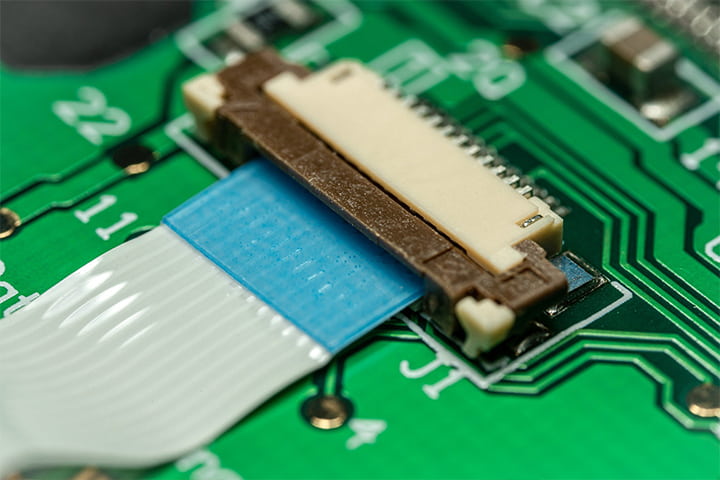
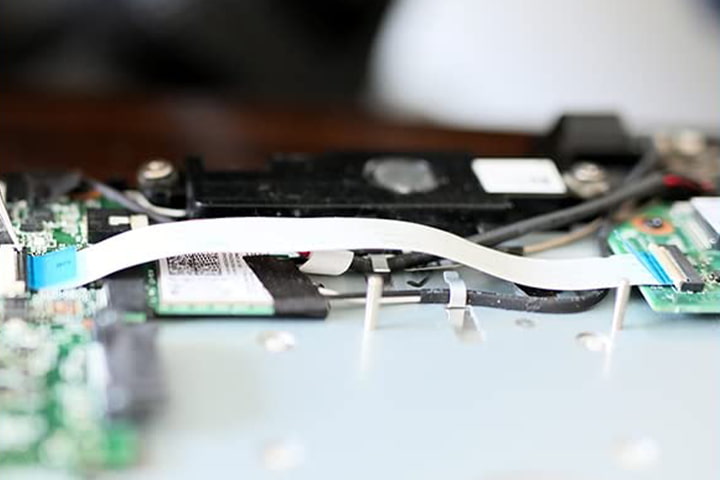
FFC is widely used in consumer electronics because of its flexibility and thin size. In laptops, FFC is often used to connect the keyboard and the motherboard. It can bear frequent bending at the hinge position without breaking. The flat shape also fits the slim body of modern laptops very well.
FFC is also commonly used in printers. It connects the print head and the main control board. Its flexibility allows it to move back and forth with the print head for a long time, ensuring stable working and reducing mechanical failures.
In flat-screen televisions, FFC connects the display panel and the main control board. Its flat structure allows many conductors in a thin space, which is necessary for slim TV designs. FFC can be arranged easily inside the TV and keeps stable signal transmission.
Applications of FPC in Various Industries
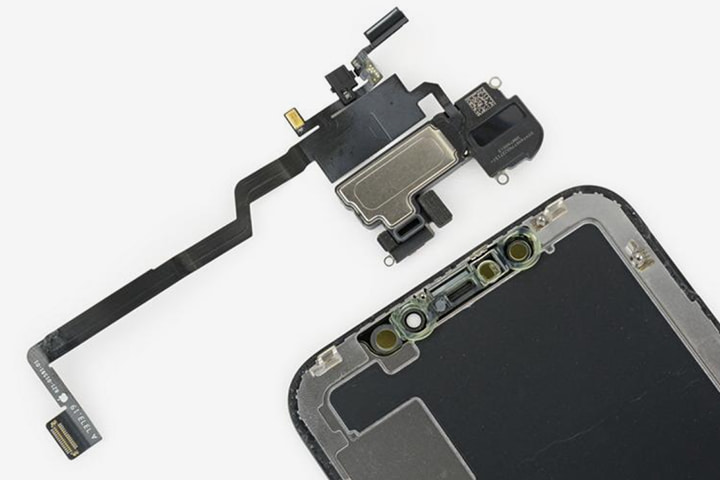
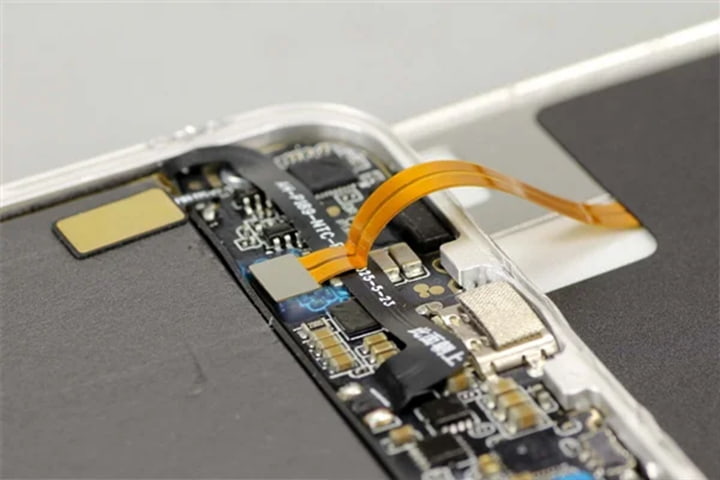
FPC is widely used in many industries because of its high flexibility. In smartphones, FPC connects many internal components in the very limited space. It can be folded and bent to save space, making the phone thinner and smaller. Integrating parts on one FPC also simplifies production and reduces cost.
Wearable devices such as smart watches and fitness trackers also rely on FPC. It is light and soft, making the device comfortable to wear. Complex FPC designs make full use of the small space inside wearables. FPC is also durable enough for daily bending and moving.
FPC is also important in medical equipment. Its stability and flexibility are necessary for accurate and reliable medical devices. For example, in medical imaging machines, FPC connects different parts in complex structures. The integration function also helps make medical equipment smaller and easier to operate.
How to Choose Between FFC and FPC for Your Project
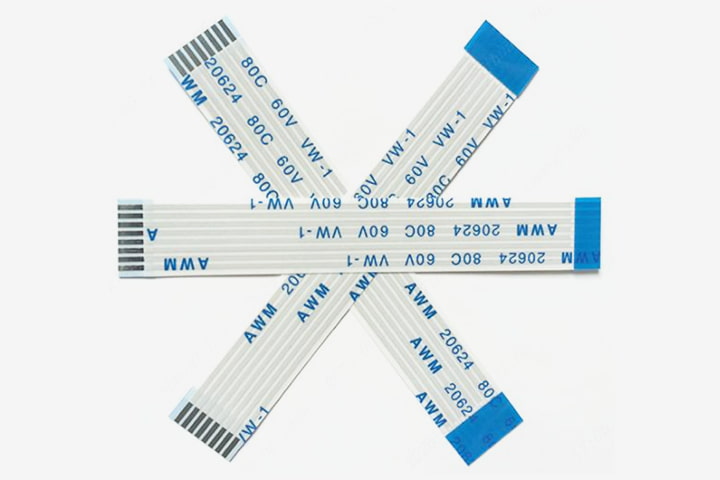
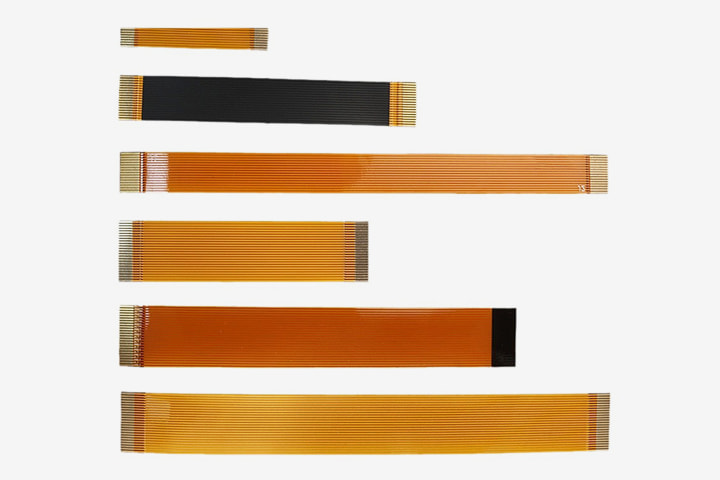
When you choose between FFC and FPC for your project, you need consider several important factors. First is the flexibility you need. If your product only needs simple bending and regular movement, FFC is enough. But if you need complex circuit shapes and integrated components, FPC is a better choice.
Space limitation is another key factor. If you need to optimize space highly and realize complex wiring, FPC is more suitable. If you only need parallel conductors in a flat space, FFC can fully meet your needs.
Cost and production time also matter a lot. FFC is cheaper and faster to produce, so it is good for mass and simple products. FPC costs more but provides better performance, so it is more suitable for high-value and complex devices. Your final choice should depend on the real requirements of your project.
Conclusion and Final Thoughts

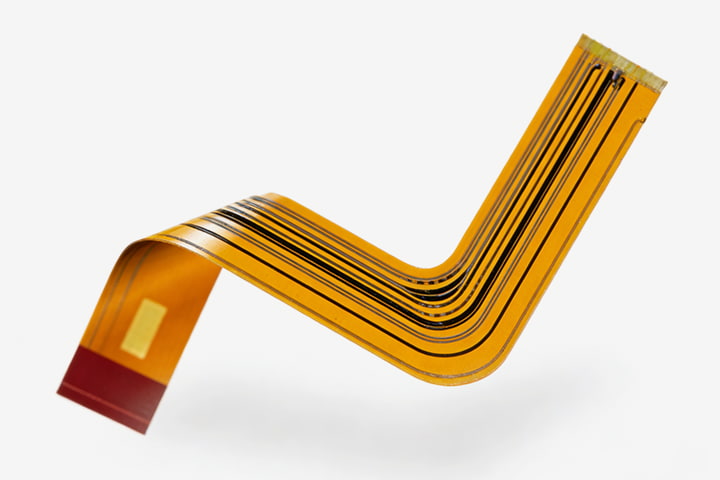
In conclusion, both FFC and FPC have their own special advantages and suitable application fields. FFC is flexible, easy to customize and cost-effective, so it is widely used in laptops, printers and TVs. FPC has stronger design ability, high integration and light weight, so it is more used in smartphones, wearables and medical equipment.
When you make a choice, you should carefully consider flexibility, space condition, cost and production time. By understanding these points clearly, you can choose the right one and ensure good performance of your product.
Both FFC and FPC are excellent flexible connection solutions. As long as you understand their differences and advantages correctly, you can make a reasonable decision and get the best result for your project.